



Designing AI in the modern age
The conversation has changed.
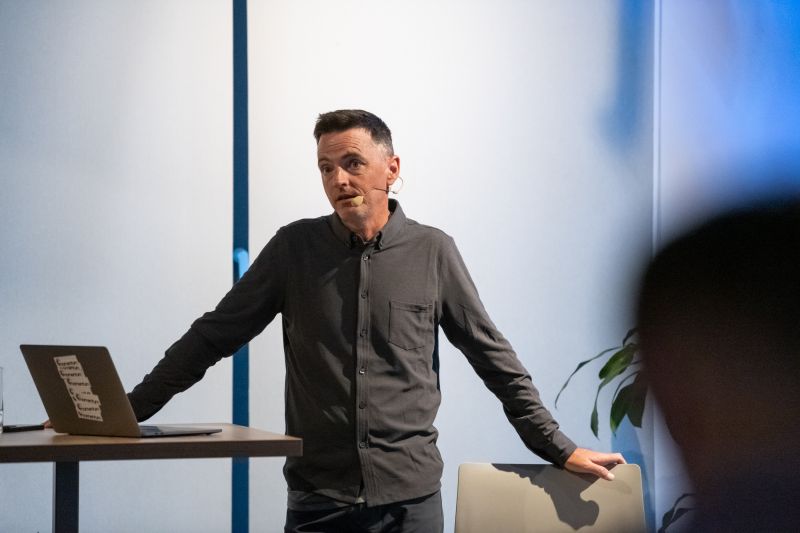
Peter McNulty, Head of Design & User Experience HTEC, shares his thoughts about Designing for AI powered experiences.
Every organization today says it is adopting AI. In fact, HTEC’s recent report on the State of AI in 2025-2026 shows adoption is now universal, but full enterprise integration into day-to-day operating models remains the exception.
Adoption is not the shift. How organizations operate because of it is. AI is moving beyond tools and features to influence planning, engineering decisions, and how teams coordinate across the product lifecycle. It is no longer at the edge of the workflow. It is becoming part of the operating model.
As intelligence becomes embedded, the challenge changes. It is no longer capability. It is alignment. Speed without shared intent does not create progress. It creates drift.
How AI is being adopted
The first phase of AI adoption focused on tools. Faster prototyping, assisted coding, and automated testing improved productivity and expanded what teams could explore, but they did not fundamentally change how organizations worked.
The next phase is different. AI is shaping how planning happens, how engineering trade-offs are made, how quality is evaluated, and how decisions move across teams. Intelligence is no longer supporting the workflow. It is shaping it.
As this shift takes hold, the core question is no longer whether the technology works. It is whether the system around it is aligned. When teams move faster without shared intent, decision logic fragments. Different parts of the organization interpret goals differently, and experiences become inconsistent across products, channels, and touchpoints. Externally, this appears as uneven customer experiences. Internally, it shows up as friction.
AI expands what is possible. Operating models determine whether that possibility becomes value or complexity.
The new expectation of design
Strong product organizations have always defined intent before execution. They frame the problem space through three lenses: human needs, business goals, and technical realities. From that understanding, they establish product direction and guide execution.
In the age of AI, that responsibility becomes even more visible. Intelligent products are not simply automated systems. They behave. They respond to signals, adapt to context, and make decisions within defined boundaries.
An intelligent product operates through interaction patterns, state transitions, decision logic, and adaptive responses. It must respond to context without becoming unpredictable, personalize responsibly while remaining consistent, and be measured through behavioral impact, not just usage.
Designing systems like this requires explicit decisions about what the system is optimizing for, how signals are interpreted, where autonomy begins and ends, how uncertainty is expressed, and how behavior evolves over time. These are not surface-level design questions. They are structural decisions that shape how intelligence behaves across the product ecosystem.
Without clearly defined experience intent and behavioral guardrails, AI amplifies whatever structure already exists. If that structure is fragmented, fragmentation accelerates. Human-led product thinking ensures that intent is defined clearly enough to guide architecture, engineering tradeoffs, governance models, and performance measurement.
Intelligence requires structure
Embedding intelligence into a product also requires embedding structure into the organization. Design systems must extend beyond components and visuals to define interaction patterns, behavioral states, and the logic that governs intelligent responses. Design-to-code relationships must ensure that strategic intent translates cleanly into implementation, while governance models must mature, so automation scales responsibly rather than reactively.
These ideas are not new. What has changed is the environment in which they operate. AI introduces systems that are more adaptive, more dynamic, and increasingly capable of acting autonomously. Without structure, that adaptability creates instability. Decision logic drifts, autonomy boundaries blur, and teams interpret intent differently.
When intent is clearly defined and embedded into system behavior, intelligence strengthens the organization rather than destabilizing it. This work sits at the intersection of user behavior, business performance, and technical architecture.
Why trust is crucial in AI-driven products
Customers do not experience your model architecture. They experience behavior. They notice whether interaction patterns feel consistent, whether the system operates within clear boundaries, and whether adaptive responses reduce friction or introduce ambiguity.
Trust is built through predictable, governed behavior. Personalization without consistency creates friction. Automation without accountability erodes confidence. Optimization without constraints weakens the experience.
AI raises the stakes on every behavioral decision because when systems begin to make decisions, those decisions become part of the customer experience. Introducing intelligence responsibly requires disciplined system design.
Product design as a strategic partner
In the modern age, product design must operate as a strategic partner within the organization. It defines intent before execution, aligns business ambition with system behavior, and connects internal operating models to the external customer experience. Most importantly, it ensures intelligent systems remain grounded in real human needs.
This work is not surface refinement. It is structural. It spans behavioral systems, interaction logic, and organizational alignment. Organizations that invest in AI without embedding structured product design often accelerate complexity without increasing value.
AI will continue to expand what organizations can build. But technology alone does not determine whether that expansion creates value. Operating models do.
Without clear intent, intelligence scales confusion. Systems move faster, but decisions fragment and experiences lose coherence. With clear intent, intelligence strengthens the system. Products become more adaptive, organizations become more coordinated, and experiences become more meaningful for the people using them.
AI expands what is possible. Product design ensures what is possible becomes aligned, measurable, and durable across the system.
That is the work of designing AI in the modern age.

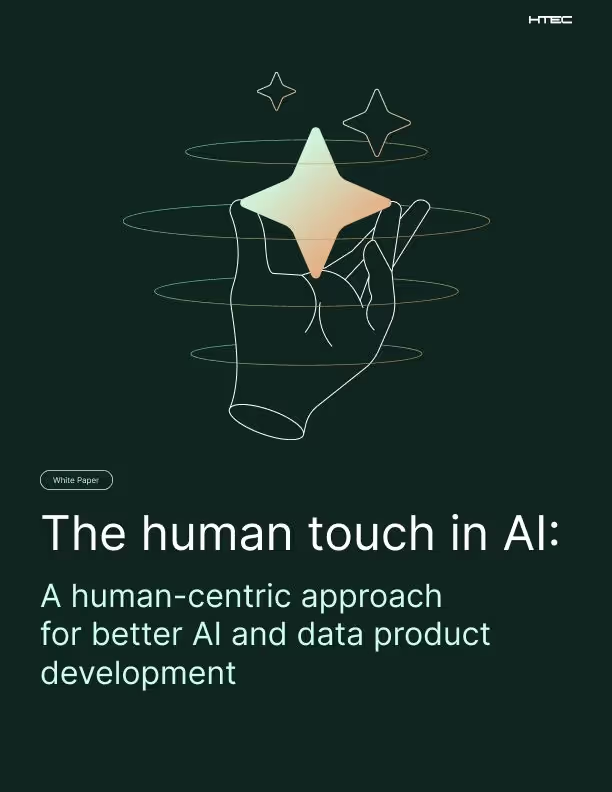
Download this white paper
Complete the form below to download your copy of the report and find out how to accelerate growth through extraordinary customer experience.


Let’s partner to move your business forward.
Leave your details and we’ll get back to you.
Looking to join our team?
Visit our Careers page